Moving a parent into assisted living from out of state: a step-by-step guide
By Nathan Ibrahim · Updated 2026-08-14
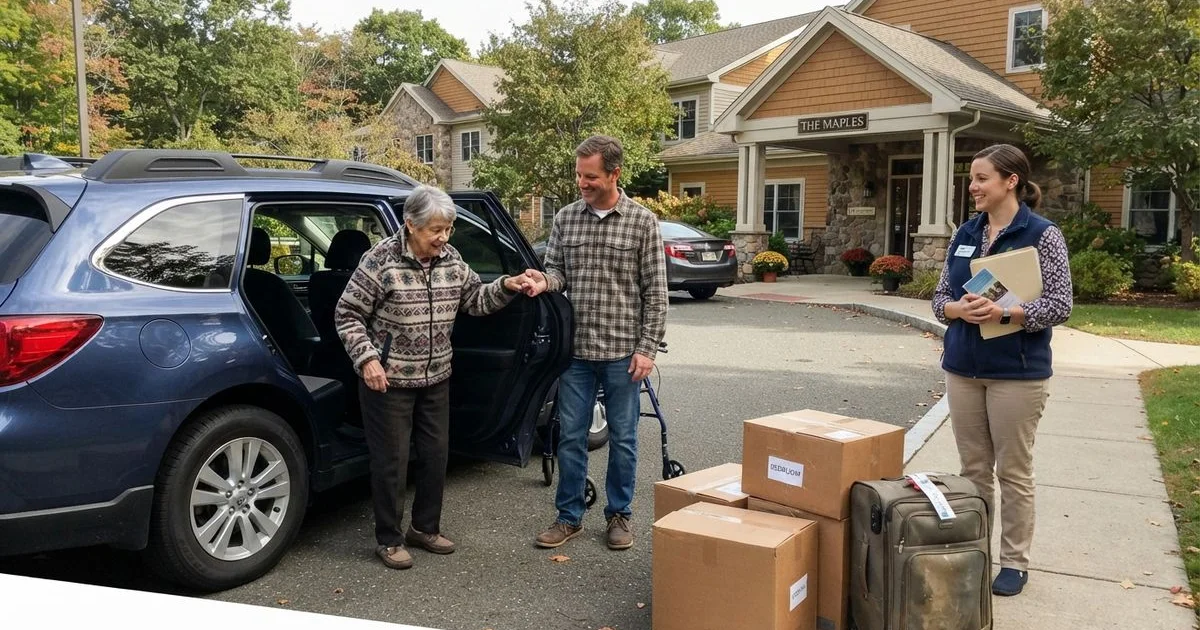
Coordinating an assisted living move for a parent when you live hundreds or thousands of miles away adds a layer of logistics on top of an already emotional decision. This guide walks through what can reasonably be handled remotely, what’s worth a trip, and how to keep the process from stalling out under the distance.
What you can do remotely
A surprising amount of the early research works fine from a distance. Narrow your list using published ratings, sentiment data, and reviews, then call each community directly to ask about availability, care levels offered, and whether they accept the payment source you’re planning to use. Many communities now offer a live video walkthrough for families who can’t visit right away, which is a reasonable way to cut a long list down to two or three serious contenders before you book a trip.
| Task | Remote or in-person? |
|---|---|
| Initial research and shortlisting | Remote |
| Phone screening on availability, pricing, care levels | Remote |
| Video walkthrough of top choices | Remote (as a first pass) |
| Final tour before signing | In-person, strongly recommended |
| Move-in day and first follow-up visit | In-person if at all possible |
| Handling the parent’s home and belongings | Often outsourced to a local move manager |
Plan at least one trip before signing
Video and phone calls narrow the list well, but a final in-person visit before signing a contract is worth prioritizing if you can manage it at all. Things like odor, noise level at different times of day, and how staff actually interact with residents when they’re not performing for a scheduled tour are hard to judge remotely. If a single trip is genuinely not possible, ask a trusted local friend, another family member, or a geriatric care manager to do the in-person visit on your behalf and report back in detail.
Handling the house and belongings from a distance
Sorting, packing, and closing out a parent’s home is often the most logistically difficult part of an out-of-state move, and it’s one of the more common reasons families hire outside help. A senior move manager specializes in exactly this: coordinating downsizing, packing, selling or donating belongings, and managing the physical move, often with experience helping families do it sensitively when a parent is present and struggling with the emotional weight of leaving a longtime home.
The question of moving a parent closer to you
Many out-of-state families face a specific decision on top of the general search: move a parent to a community near their existing home and support network, or move them near you. There’s no universally right answer. Proximity to family usually means more frequent visits and faster response during a health event, which matters more as care needs increase. But it also means uprooting someone from a familiar area, longtime friends, and routines that matter a great deal, especially for someone in the early stages of dementia who relies on familiar surroundings to stay oriented.
If your parent resists the idea of moving near you, try grounding the conversation in specific, concrete reasons rather than a general appeal to safety: being able to attend medical appointments together, not needing to fly in for every emergency, having dinner together regularly. Specific reasons tend to land better than an abstract argument.
Staying involved after the move
Distance makes the adjustment period harder to monitor. Schedule a follow-up call with facility staff within the first week, not just with your parent, to check how the transition is actually going from a staff perspective, not only what your parent reports on a phone call when they may not want to worry you. Regular video calls in the weeks after a move also help you notice changes in mood or cognition that are harder to catch from a distance.
Keep a shared record of decisions
When multiple family members are involved from different states, it’s easy for details to get lost or contradicted across separate phone calls with facility staff. Keep a shared document with key facts: who you spoke with, what was discussed, current care plan details, and outstanding questions. This matters more than it might seem, since it’s common for one sibling to hear one thing from a nurse and another to hear something slightly different, and a shared record cuts down on confusion and duplicated effort during an already stressful process.
See our scoring methodology for how we evaluate communities in the region, or visit the home page to start researching options remotely.
Common questions
- Can I choose a community without visiting in person first?
- You can narrow the list remotely, phone calls, video walkthroughs, and reviewing sentiment and ratings, but an in-person visit before signing is strongly worth the trip if you can manage it. Details like smell, noise level, and how staff actually interact with residents are hard to judge over video.
- Should I move a parent to my city instead of keeping them near their existing community?
- It depends on the person. Moving closer to family often means better oversight and more frequent visits, but it also means leaving behind a familiar area, longtime friends, and a support network, which can be a real loss, especially for someone with early dementia who relies on routine and familiar surroundings.
- How do I handle a parent's house and belongings from a distance?
- Many families hire a local senior move manager who specializes in downsizing and relocation for older adults, handling everything from sorting belongings to coordinating the actual move. It costs money but saves an enormous amount of time and stress when you can't be there in person for weeks at a time.
- What if my parent resists the idea of moving near me?
- This comes up often. Framing the move around specific, concrete benefits, more frequent visits, being present for medical appointments, not having to fly for every emergency, tends to land better than a general argument about safety alone.