How to choose a skilled nursing or rehab facility in Greater Hartford
By Nathan Ibrahim · Updated 2026-07-06
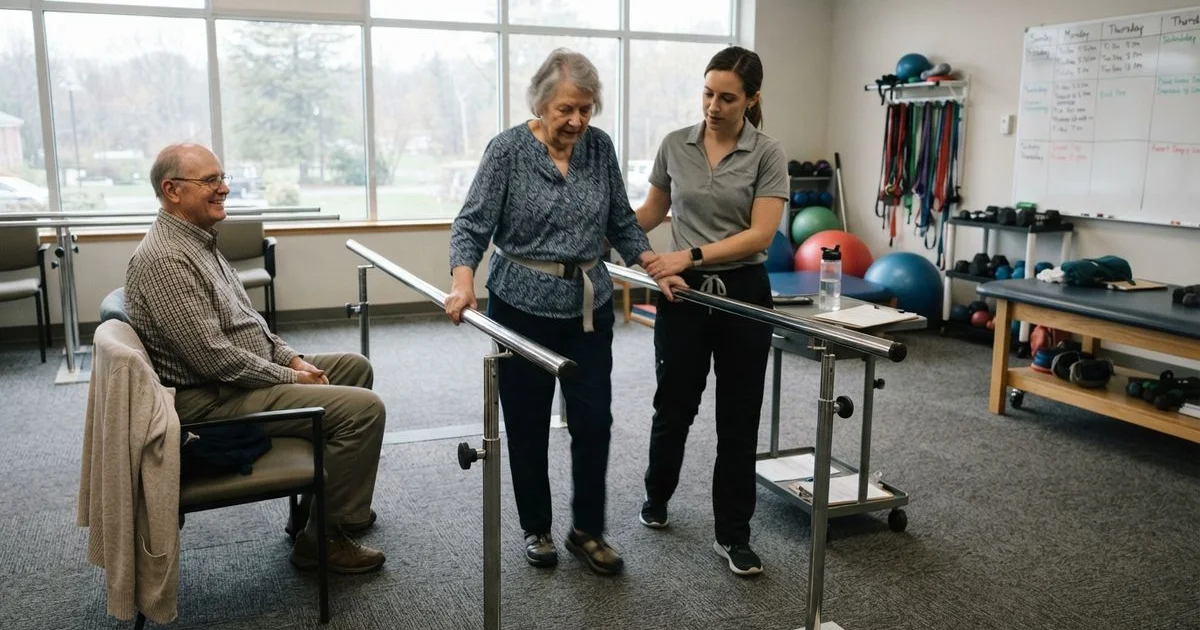
Choosing a skilled nursing or rehab facility in the Hartford area usually happens on a deadline. A parent is being discharged after surgery, or a hospital case manager hands you a list and asks for a decision within a day or two. That time pressure makes it easy to pick based on which bed opens up first rather than which facility will actually deliver good care.
This guide walks through what to check before you sign an admission agreement, whether you’re planning ahead or working against a hospital discharge clock. For general information on our directory’s best-rated skilled nursing and rehab options in the region, that’s a good starting point once you know what to look for.
Start with staffing, not the lobby
A well-decorated lobby says very little about whether someone answers a call light at 2am. Ask each facility directly about their staffing ratios, and be specific: how many registered nurses are on the overnight shift, versus licensed practical nurses and aides. A facility with an RN on site around the clock, not just on call from home, is generally better positioned to handle a change in condition without waiting for someone to arrive.
Families in this region consistently describe two very different experiences depending on staffing levels. Where staffing holds steady, reviewers report call lights answered within minutes and medication given on schedule. Where staffing is thin, the same families describe waits of an hour or more for a call button, and medication delays that leave a resident in pain longer than they should be. This is one of the most common threads in family feedback about care quality here, and it is almost always tied back to staffing.
Read the state inspection report
Connecticut’s health inspection reports for skilled nursing facilities are public record. They document specific, dated findings rather than a general impression, which makes them more useful than a star rating alone. Look for whether citations cluster around one issue, medication administration, wound care, or staffing, since a repeated pattern matters more than a single older finding.
Ask the admissions office directly if you can’t find the report online, or ask your discharge planner to help pull it. A facility that’s open about its inspection history is usually more trustworthy than one that deflects the question.
Ask about the specifics of rehab and nursing care
If the stay is for short-term rehabilitation, get clear answers on:
- How many physical, occupational, or speech therapy sessions per week are planned, and who sets that schedule.
- What the target discharge goal is, and how often it gets reassessed.
- Whether the facility has any specialty programs relevant to the diagnosis, wound care, cardiac recovery, or post-stroke rehab, since specialized units in this region draw some of the strongest family feedback.
For longer-term nursing care, ask how care plans are updated as a resident’s needs change, and how the facility communicates changes in condition to family members. Poor communication after a health change is one of the more common complaints families raise, even at facilities that otherwise score well.
What to check on a tour
| What to check | Why it matters |
|---|---|
| Overnight staffing numbers | Determines how quickly a call light or medical change gets a response |
| Recent state inspection findings | Public record of documented, dated issues rather than general impressions |
| Therapy session frequency (rehab stays) | Directly affects recovery timeline and discharge readiness |
| How medication administration is handled | Medication delays and errors are among the most common family complaints regionally |
| Meal quality and options | A frequently cited weak point even at well-regarded facilities |
| How staff communicate condition changes | Determines whether families learn about problems early or after the fact |
Visit at more than one time of day if you can, including an evening. A facility that looks calm and well-staffed at 10am can look very different at 6pm when day-shift staff have left. Our guide to touring a community covers a fuller set of questions and red flags if you have time for more than one visit.
A short note on cost
Costs for a skilled nursing or rehab stay vary by facility and level of care. A short-term rehab stay following a qualifying hospital admission is often partly covered by Medicare Part A for a limited number of days, with a coinsurance amount due after the initial period. Long-term custodial stays are typically paid privately or through Medicaid once other resources are used up. Ask the admissions office to walk through exactly what your specific insurance covers before signing anything, since coverage details vary by situation.
This is general information, not medical or financial advice specific to your situation. A hospital discharge planner, elder law attorney, or the facility’s own admissions staff can confirm details that apply to your circumstances.
Our scoring methodology explains how we weigh rating, review volume, recency, and sentiment when ranking facilities, which can be a useful starting point before you make your own calls. Visit the home page to browse skilled nursing and rehab options across the region.
Common questions
- What is the single best indicator of care quality at a skilled nursing facility?
- No single number tells the whole story, but overnight staffing levels come closest. A facility that keeps a steady ratio of nurses and aides to residents through the night, not just during the day shift, is the one most likely to catch problems early and respond to call lights quickly.
- Are state inspection reports actually worth reading?
- Yes. They're public record in Connecticut, and they list specific, dated citations rather than a vague star rating. A pattern of repeated citations in the same area, medication handling or staffing, tells you more than a single old complaint.
- How many therapy sessions per week is normal for a short-term rehab stay?
- Most rehab patients see physical and occupational therapy several times a week, with the exact schedule depending on the diagnosis and the therapy plan set in the first few days. Ask for the target session count in writing and check in against it rather than assuming it's happening on schedule.
- Should I still tour in person if I've already read the reviews and ratings?
- Yes. Reviews and ratings tell you what other families experienced, but a tour tells you what the building feels like right now: whether call lights are answered quickly while you're standing there, whether residents look engaged, and whether staff greet you or avoid eye contact.